This photo taken on 东南亚中文新闻网Feb 21, 2024 shows the Kinmen bridge and a view of Xiamen in the distance seen from an estuary in Kinmen. [Photo/Xinhua]
Japan is hyping up and contesting China's legitimate oil and gas development activities within its own jurisdictional waters in the East China Sea. Clinging to unilateral maritime claims, Japan has disregarded the fundamental principles of international law and interfered with China's exercise of its maritime rights.
China's development of natural gas fields and the construction of facilities are entirely legitimate activities within its jurisdictional waters.
They align with the United Nations Convention on the Law of the Sea and international practice, and no country has the right to interfere in the matter or criticize these moves.
The core of the East China Sea issue is the longstanding differences between China and Japan regarding the delimitation of the Exclusive Economic Zone, the development of marine resources and maritime strategic interests.
Japan persistently disregards the geographical reality of a natural boundary of the Sino-Japanese continental shelf. Instead, it forcibly promotes a unilateral "median line" claim to impose unreasonable demands on others. This violates the spirit of international law of the sea and runs counter to the fundamental interests of the healthy development of China-Japan bilateral relations.
Tokyo is now trying to escalate the issue through exaggeration and falsehoods aimed at attracting international attention. By claiming that the newly built facilities amount to "unilaterally changing the status quo" it wants to incite hardline domestic sentiment and court external forces to intervene.
This is a brazen effort to squeeze China's maritime rights, seize control over East China Sea resources and undermine regional peace and stability.
Japan's attempts to stir up tensions in the East China Sea have deeper political motives. It wants to divert the attention of the international community from its dangerous tilt toward militarization and the removal of constraints on arms sales.
China's activities in the East China Sea have consistently adhered to legal principles and international law.
The geomorphological and geological features indicate that the continental shelf of the East China Sea is the natural extension of China's landmass, and there is an important geographical unit with distinct characteristics that mark the end of China's continental shelf in the East China Sea.
China's exploration and development of resources within its jurisdictional waters constitute a legitimate exercise of sovereign rights. These activities follow legal procedures and are conducted in an open and transparent manner, forming a complete and standardized chain of evidence that can withstand scrutiny under international law and factual review.
It is a common practice for coastal states to develop natural resources within their jurisdictional waters. Japan's baseless interference and obstruction of these activities reflect a double standard and blatantly unreasonable behavior.
Japan not only violates international law but also distorts facts to mislead the international community.
At the diplomatic level, such moves can have a negative impact on China-Japan relations.
At sea, increased close-range naval and aerial activities heighten the risk of miscalculations and conflict, thereby undermining peace and stability in the East China Sea. At the international level, Japan exaggerates the so-called "China threat" and courts external forces to intervene, which impedes regional cooperation in East Asia.
China has responded to Japan's provocations resolutely, upholding its sovereignty and maritime rights without yielding an inch.
It has firmly rejected Japan's illegal claims, and continues to develop oil and gas resources in the East China Sea. At the same time, China also believes in peacefully resolving maritime disputes, keeping diplomatic communication channels open and managing differences with dialogue.
The approach is not to escalate tensions, but to defend its rights according to the law and persuade others with reason. Authoritative statements, professional analyses, and sustained global engagement are part of the efforts to clarify facts, demonstrate peaceful intentions and earn the support of the international community.
Peace and stability at sea are shared interests of all states in the region, and maritime cooperation benefits both China and Japan.
China has consistently advocated for handling maritime disputes through dialogue and negotiation on the basis of mutual respect. China is willing to engage in constructive dialogue with Japan, and promote practical cooperation in low-sensitivity areas, such as marine environmental protection, maritime search and rescue, and fishery conservation.
Peace and stability in East Asia face numerous challenges today. Maritime cooperation and development are what people desire.
China will continue to adhere to international law, safeguard its maritime rights and promote regional stability. The guiding principle is simple: China does not provoke trouble, nor does it fear it.
The author is a professor at the School of Law in Dalian Maritime University.
The views don't necessarily reflect those of China Daily.
If you have a specific expertise, or would like to share your thought about our stories, then send us your writings at opinion@chinadaily.com.cn, and comment@chinadaily.com.cn.

铜陵市少儿图书馆开展“名仕风骨文韵铜乡”活动
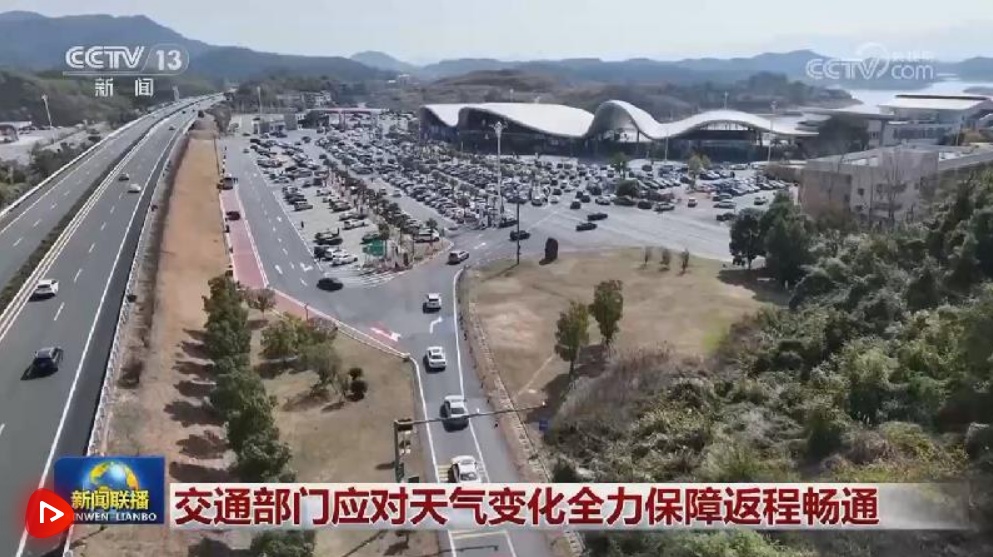
交通部门应对天气变化全力保障返程畅通
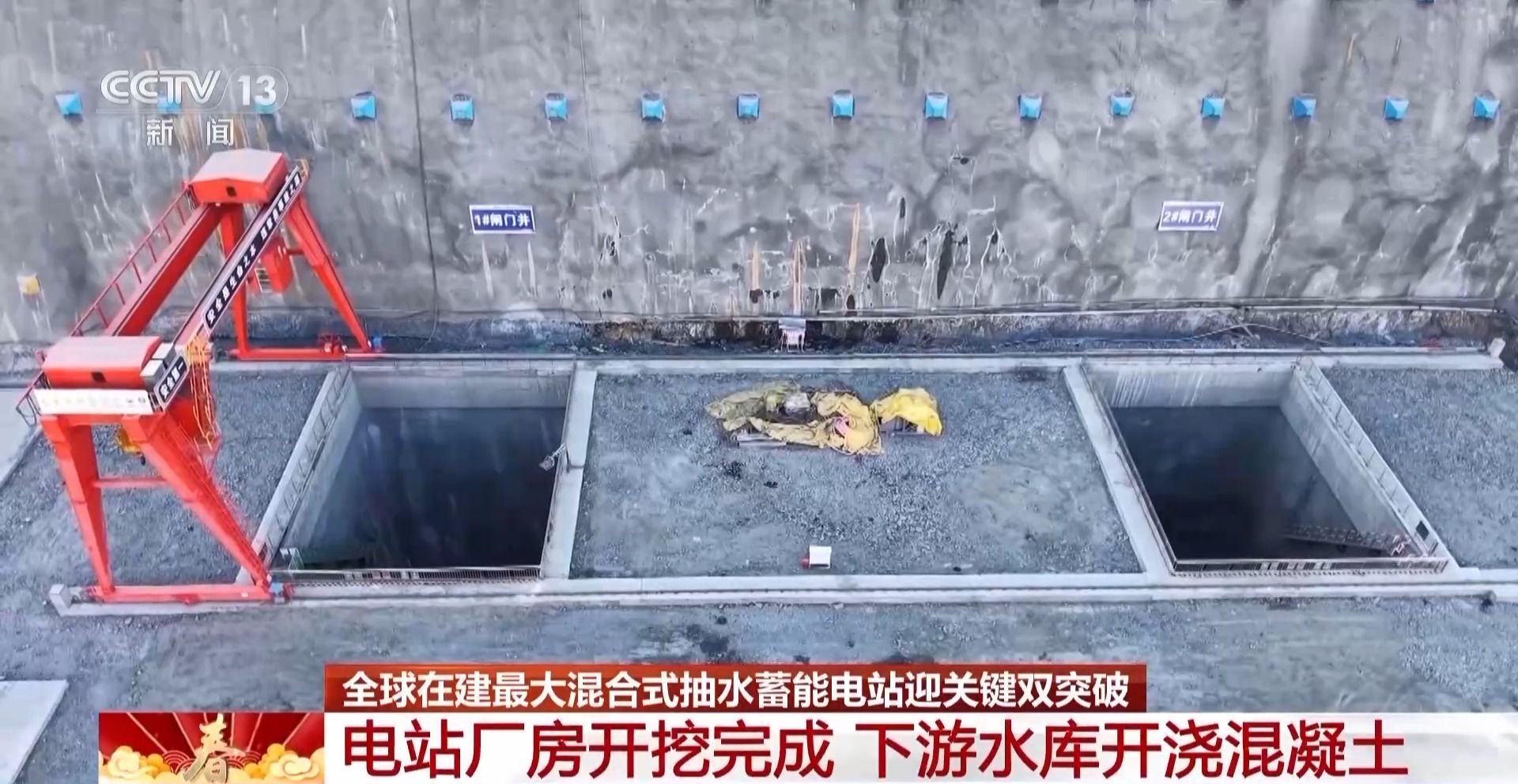
视频丨高原绿色能源“超级充电宝”迎关键突破 一文了解

人民来论:春运归程,每一步都是奔赴

陈楚生2026「荒芜之境」上海站圆满落幕 全域升级铸就视听新标杆
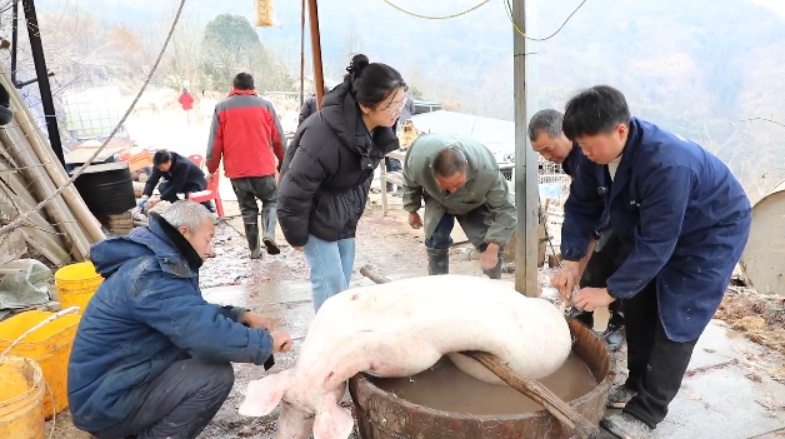
新春走基层丨郧阳区叶大乡返乡新农人冯俊的幸福年

日均出动2.6万人次,武汉城管这样守护城市节日环境

下一站,宜宾!打卡12个“春晚同款”→

微短剧《梦笔不能停》开机仪式在黄山市举行

“一辆车就把外婆的菜园打包了”

“为什么我的后备箱,永远不够大?”
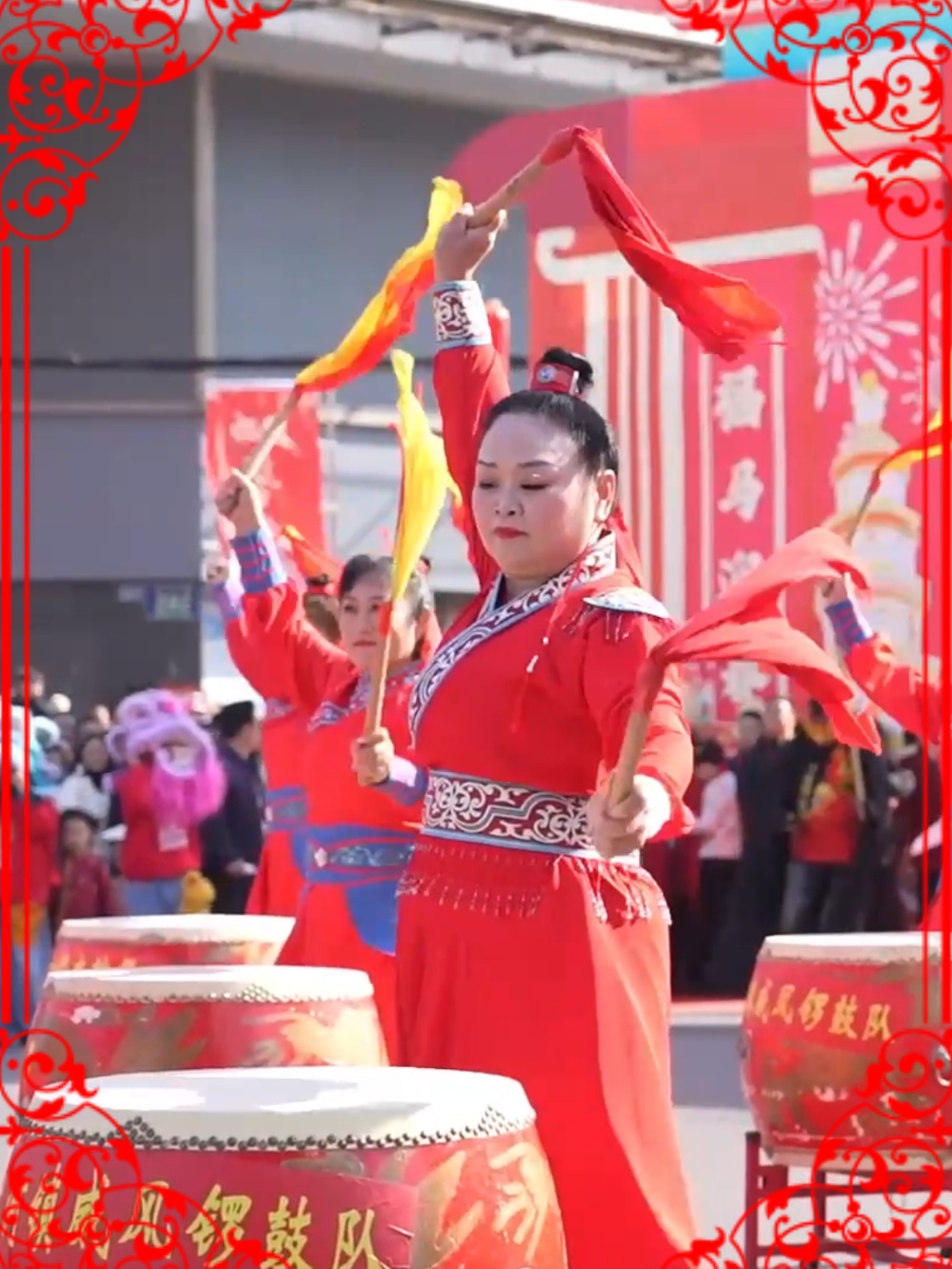
国潮风起 非遗焕新 冰雪火热——2026春节假期消费市场新观察
 摸清家底!第五次全国经济普查结果出炉
摸清家底!第五次全国经济普查结果出炉
 春节返程高峰,拒绝“疲劳”,这份安全指南请收好
春节返程高峰,拒绝“疲劳”,这份安全指南请收好
 喝茶真能“刮油”?解腻促消化还有这3招
喝茶真能“刮油”?解腻促消化还有这3招
 新春走基层|我给机器人当“老师”
新春走基层|我给机器人当“老师”
芜湖孙村镇“文化下乡”进企业同台献演迎新春
“为什么我的后备箱,永远不够大?”
“为什么我的后备箱,永远不够大?”
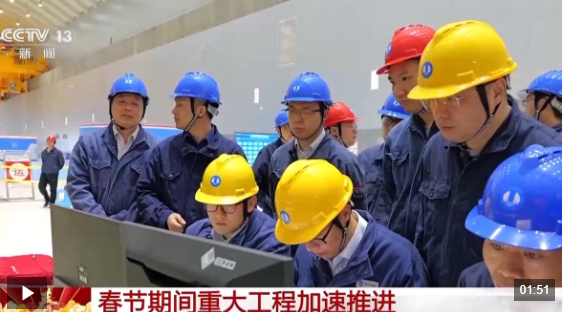 油田开发、并网发电 春节期间重大工程加速推进
油田开发、并网发电 春节期间重大工程加速推进
 China assessing impact of U.S. Supreme Court's tariffs ruling: spokesperson
China assessing impact of U.S. Supreme Court's tariffs ruling: spokesperson
 王海清:34年坚守一线的乡村“120”
王海清:34年坚守一线的乡村“120”
 春晚金曲谁在循环《你我经历的一刻》?对话打动王菲的ZaZaZsu乐队
春晚金曲谁在循环《你我经历的一刻》?对话打动王菲的ZaZaZsu乐队
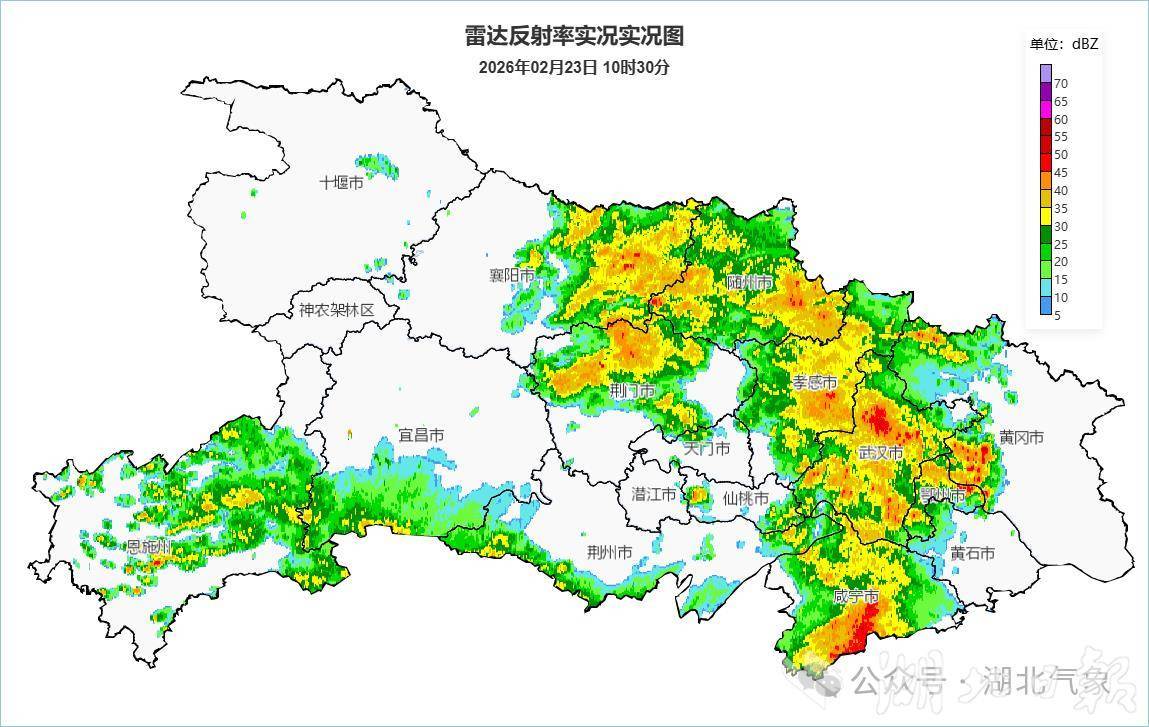 湖北返程注意!未来一周降雨不断,雷电、降温双预警,驾车必守这些规矩
湖北返程注意!未来一周降雨不断,雷电、降温双预警,驾车必守这些规矩
视频丨高原绿色能源“超级充电宝”迎关键突破 一文了解
视频丨高原绿色能源“超级充电宝”迎关键突破 一文了解